


What to know about Blue Jellyfish Stings at the Beach
What to Know About Blue Jellyfish Stings at the Beach
Summer beach days are wonderful—until an unexpected encounter with a jellyfish sends you running for help. If you’ve spotted blue jellyfish in the water or experienced a sting, here’s what you need to know.
What Are Blue Jellyfish?
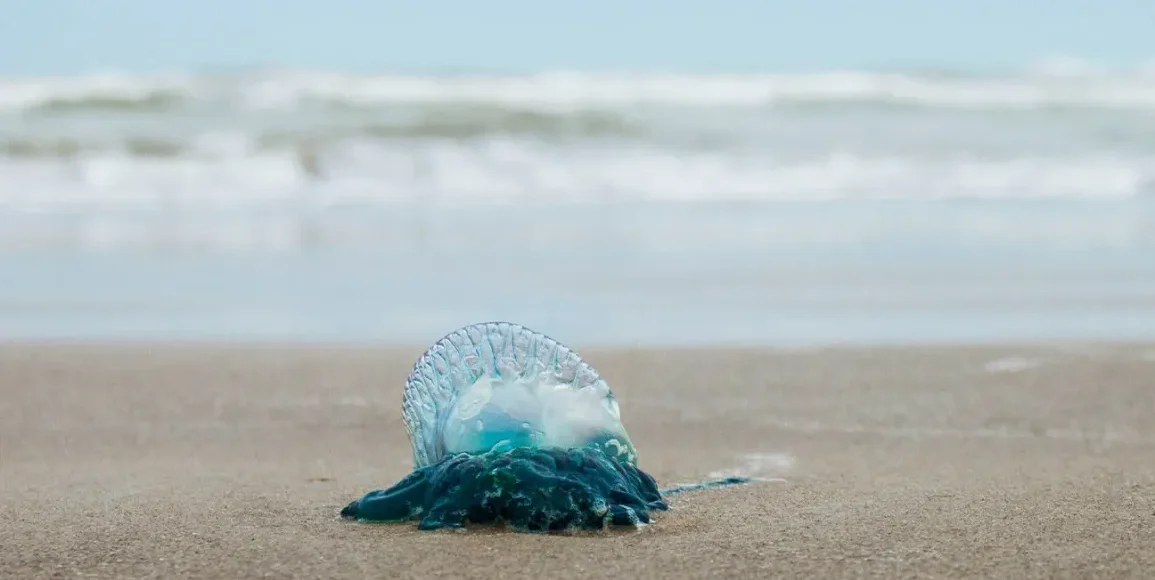
Blue jellyfish, often called bluefish or blue blubbers, are translucent jellyfish with a distinctive blue or purple tint. They’re commonly found along coastlines, especially during warmer months. While they’re beautiful to observe, their tentacles contain stinging cells that can cause painful reactions when they come into contact with skin.
Symptoms of a Blue Jellyfish Sting:
•Immediate sharp, burning pain at the sting site
•Red, raised welts or lines on the skin
•Itching and swelling
•Tingling or numbness in the affected area
•In rare cases, some people may experience more severe reactions like nausea, headache, muscle cramps, or difficulty breathing.
If you notice these symptoms, seek medical attention immediately.
How to Treat a Blue Jellyfish Sting:
- Get Out of the Water
Move to a safe area to prevent additional stings and to better assess the injury. - Rinse with Seawater
Gently rinse the affected area with seawater (not fresh water, as this can trigger more venom release). Do not rub the area. - Remove Tentacle Fragments
If visible tentacles remain on the skin, carefully remove them using tweezers or the edge of a credit card. Avoid using bare hands. - Apply Vinegar (If Available)
For many jellyfish stings, applying vinegar can help neutralize the venom. However, the effectiveness varies by jellyfish species, so if vinegar isn’t available, proceed to the next step. - Soak in Hot Water
Immerse the affected area in hot water ( 43-45°C) for 20-45 minutes. This is one of the most effective ways to reduce pain. - Take Pain Relief
Over-the-counter pain relievers like ibuprofen can help manage discomfort. Antihistamines may also reduce itching and swelling. - Keep the Area Clean
Wash the sting site with soap and water, and apply an antibiotic ointment to prevent infection.
What NOT to Do
●Don’t use fresh water to rinse the sting
●Don’t apply ice directly to the wound
●Avoid urine, alcohol, or other folk remedies that can worsen the sting
Stop by Sparkport Pharmacy if you need:
○Pain relief medications
○Antihistamines for itching
○Antibiotic ointment
○Advice on wound care
Seek immediate medical care if you experience:
•Difficulty breathing or swallowing
•Chest pain or irregular heartbeat
•Severe swelling or allergic reaction
•Stings covering a large area of the body
•Stings near the eyes or mouth
Prevention Tips
○Check local beach reports for jellyfish warnings
○Wear protective clothing like rash guards when swimming
○Shuffle your feet in shallow water to avoid stepping on jellyfish
○Teach children to look but not touch any jellyfish they see
At Sparkport Pharmacy, we’re here to help you enjoy a safe and healthy summer. If you have questions about jellyfish stings or need supplies for your beach first-aid kit, stop by or give us a call. Stay safe out there!